Developing Grain Transport in 2024
Investigating the Merits of Selecting Bulk Haulage for Your Transportation Requirements
Moving goods in bulk provides a smart solution for firms seeking to make their logistics more efficient. When combining loads, firms may secure major financial benefits and decrease their ecological impact. Moreover, this approach provides improved reliability and adaptability in delivery schedules - Illinois top rated Bulk Trucking. Since the environment of transport operations develop, understanding the nuances of bulk freight transport is vital for maintaining a competitive edge. What further benefits could this strategy uncover for modern businesses?
Financial Benefits from Economies of Scale
While numerous companies face rising transportation costs, bulk freight provides substantial financial benefits through large-scale operations. Through the grouping of deliveries, businesses are able to lower the per-unit cost of transportation, as more substantial loads permit more efficient use of resources such as fuel and labor. This efficiency translates to decreased operational spending, making bulk trucking a compelling choice for businesses looking to optimize their logistics.
Additionally, bulk trucking minimizes the frequency of trips required, which helps lower expenses even more associated with fleet servicing and labor costs. Businesses are able to secure improved pricing with haulers when committing to larger volumes, helping them realize reduced shipping fees. Therefore, businesses can allocate their savings towards other functions, improving their market position. In the end, the economic advantages of bulk trucking establish it as a key strategy for companies seeking to increase profitability while keeping logistics running smoothly.
Lowering the Ecological Footprint
Bulk trucking greatly contributes to a smaller environmental toll, establishing it as a sustainable solution for moving goods. When combining deliveries, bulk trucking minimizes the frequency of travel to ship items, which thereby reduces energy use and carbon output. This efficient method of moving substantial volumes of goods results in a lower vehicle count, easing road blockage and strain on public works.
Additionally, a lot of haulage firms are adopting more sustainable practices, such as utilizing fuel-efficient vehicles and streamlining delivery routes to lower their emissions substantially. Employing modern technology in the supply chain helps in tracking pollution and improving total effectiveness. With businesses increasingly prioritizing environmental responsibility, using bulk shipping doesn't just support green efforts while fulfilling social responsibility goals. Thus, bulk transport acts as an effective answer for companies seeking to lessen their environmental impact while still fulfilling their shipping requirements.
Enhanced Delivery Speed and Dependability
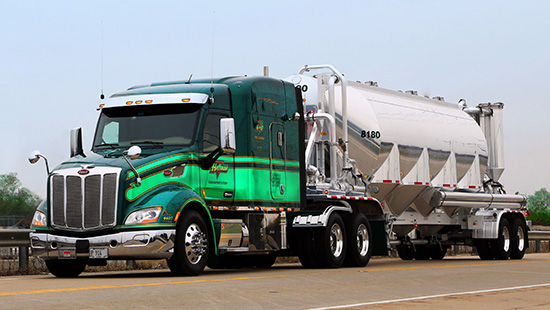
When companies choose bulk trucking for their transportation needs, they often experience improved delivery times and greater trustworthiness. This mode of transportation is designed to efficiently handle large quantities of goods, decreasing the total number of hauls. By consolidating shipments, firms can lessen delays linked to pickup and drop-off, resulting in quicker delivery speeds.
Furthermore, bulk trucking typically involves fewer stops, thereby optimizing the transit procedure. A lot of bulk transport firms use modern logistics and tracking systems, giving instant information that improve clarity and responsibility. This transparency allows firms to plan better, making sure that goods are delivered promptly.
In addition, the reliability of bulk trucking is bolstered by experienced drivers and properly serviced trucks, minimizing the chance of mechanical failures or holdups. As a result, businesses can rely on bulk transport providers to meet their shipping deadlines consistently, which ultimately boosts client happiness and reinforcing business relationships.
Superior Load Size and Flexibility
While numerous transport choices limit the size of the load, bulk shipping delivers increased cargo capacity that allows companies to transport substantial quantities of goods in a single journey. This feature is especially advantageous for sectors needing to move high quantities of materials, including mining, construction, and agriculture. Employing vehicles tailored for bulk cargo, businesses can optimize their shipping processes, minimizing the hauls necessary for delivery.
In addition, bulk hauling allows adaptability in cargo setup, handling different kinds of materials, such as powders, grains, and liquids. This flexibility helps firms adjust to evolving needs and efficiently manage their supply chain without losing hauling power. By taking advantage of bulk trucking's flexibility and capacity, companies can optimize their processes, minimize transportation costs and ensure a more dependable shipping procedure. In the end, this method provides an effective solution for companies seeking to maximize shipping efficiency and satisfy client demands.
Efficient Supply Chain Operation
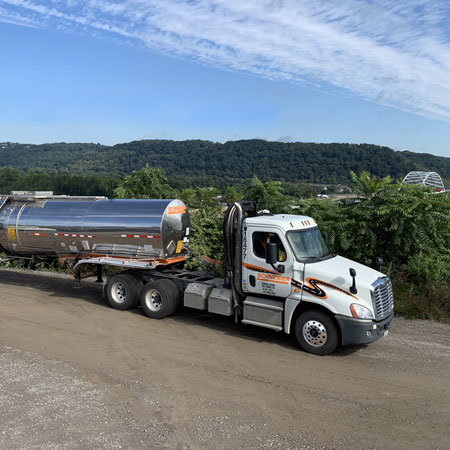
Efficient logistics coordination is more attainable with the addition of large-scale transport into the operational framework. By grouping deliveries, businesses can reduce transportation costs and quicken transit schedules. Bulk trucking enables the transfer of larger quantities of goods in fewer trips, minimizing the complexity associated with multiple shipments. This streamlining allows for superior warehouse organization, as companies can get and send out goods with greater speed.
Furthermore, bulk trucking enhances communication and coordination among SCM stakeholders. With less transporters utilized, monitoring deliveries is easier, which provides greater clarity and faster reaction speed to potential problems. The dependability of bulk trucking also ensures that goods arrive at their destinations in optimal state, decreasing the chance of delays or damages. In summary, incorporating mass transport into SCM frameworks promotes a more integrated and efficient logistics framework, benefiting businesses and their clientele equally.
Questions and Answers
What Types of Goods Are Best Suited for Large-Scale Hauling?
Bulk trucking is ideal for moving significant amounts of product such as crops, raw materials, industrial compounds, and perishable goods. These goods gain from streamlined, affordable transport options, cutting down on manual processing and minimizing overall transportation costs.
Where Can I Locate a Dependable Transport Company?
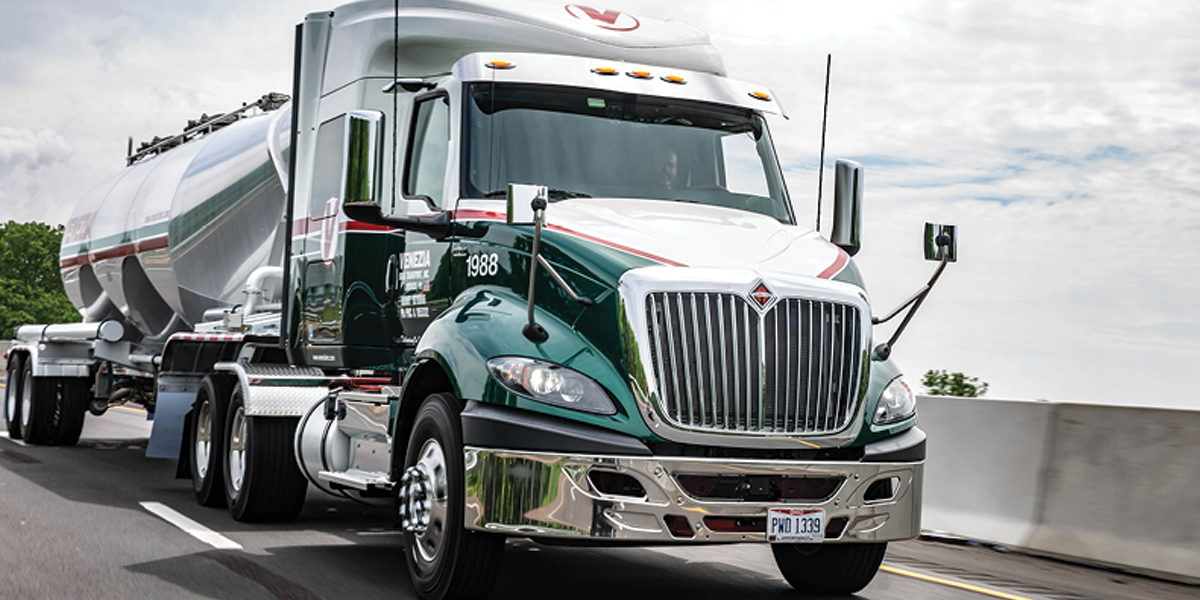
To find a trustworthy logistics firm, one should check digital feedback, ask colleagues for referrals, check necessary permits, and get multiple bids - Illinois top rated Bulk Trucking. Additionally, assessing the company’s history and fleet capability is necessary for informed decision-making
What Is the Average Transit Time for Bulk Shipments?
The average transit similar article time for bulk shipments usually falls between 24 to 72 hours, based on the mileage, route conditions, and the kind of goods. Variability in these factors can significantly alter transit times.
Are There Limits on Mass for Bulk Trucking Loads?
Indeed, bulk trucking loads typically have weight restrictions, which change regionally and truck model. Illinois top rated Bulk Trucking. Rules ensure safety and compliance, usually capping loads to approximately 40 tons for conventional transport on highways
Are Bulk Carriers Accommodate Temperature-Controlled Freight?
Yes, bulk trucking can manage perishable freight by employing dedicated machinery, including reefer units. This capability makes certain that sensitive products maintain their specified temperature range throughout the journey, preserving quality and freshness.